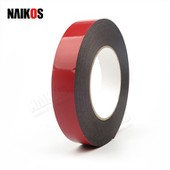
Aluminum foil tape is an industrial-grade tape made from specially treated aluminum foil as the base material, coated on one or both sides with a high-performance pressure-sensitive adhesive. Combining the inherent excellent properties of aluminum metal with advanced adhesive technology, aluminum foil tape provides unique solutions in sealing, shielding, connecting, and protection, becoming an indispensable functional material in many industries.
Core Characteristics and Advantages of Aluminum Foil Tape:
1. Excellent Electromagnetic Interference (EMI) and Radio Frequency Interference (RFI) Shielding
Shielding Effectiveness: The conductive properties of aluminum allow it to effectively shield electromagnetic waves, protecting sensitive electronic equipment.
Grounding Function: A conductive path can be established through conductive adhesive or in conjunction with grounding measures.
Frequency Range: Effective shielding range typically extends from low frequencies to several GHz high frequencies.
2. Excellent Temperature Resistance and Fire Resistance
Wide Temperature Range: Standard products withstand -20℃ to 120℃, and special models can withstand short-term high temperatures.
Flame Retardant Properties: The aluminum foil base material itself is non-combustible, and with flame-retardant adhesive, it can reach UL94 V-0 rating.
Heat Reflection Function: The bright aluminum surface can reflect up to 95% of radiant heat.
3. Excellent Environmental Sealing and Moisture Barrier
Moisture Impermeability: The aluminum foil itself forms a perfect water vapor barrier, preventing moisture penetration.
Chemical Inertness: Good resistance to most chemicals, oils, and solvents.
UV Resistance: Suitable for long-term outdoor use with excellent anti-aging properties.
4. Mechanical Protection and Enhancement Functions
Puncture Resistance: Provides extra mechanical protection and wear resistance
Structural Reinforcement: Enhances local strength of composite materials
Electromagnetic Shielding: Provides continuous electromagnetic shielding at seams
Main Application Areas of Aluminum Foil Tape
HVAC (Heating, Ventilation, and Air Conditioning) Industry
Aluminum foil tape is a standard material in the HVAC field:
Duct Sealing: Sealing of assembled duct joints to prevent air leakage
Insulation Layer Fixing: Fixing insulation materials such as glass wool and rock wool
Pipe Wrapping: External protection of insulation layers for steam pipes and hot water pipes
Inspection Port Sealing: Resealing after system maintenance
Construction and Decoration Industry
Roof Waterproofing: Waterproof sealing of roof joints and penetrations
Wall Moisture Barrier: Moisture barrier in building structures
Radiation Barrier: Installation of heat reflective layers in attics and walls
Pipe Sealing: Fire and smoke sealing of pipes penetrating walls
Electronics, Electrical and Communication Industry
Electromagnetic Shielding: Shielding of electronic equipment casing seams, repair of cable shielding layers
Grounding Connection: Installation and connection of equipment grounding straps
Coil Fixing: Bundling and fixing of transformers and inductor coils
Thermal Management: Assisting in heatsink installation and improving heat conduction efficiency
Automotive Manufacturing and Repair
Wire Harness Shielding: Electromagnetic shielding of automotive electronic wire harnesses
Thermal Protection: Thermal protection of components near exhaust pipes
Repair Applications: Emergency repair of radiators, fuel tanks, etc.
NVH Control: Fixing of vibration and noise control materials
Industrial Manufacturing and Maintenance
Equipment Shielding: Electromagnetic compatibility (EMC) treatment of industrial equipment
High-Temperature Protection: Sealing and protection of high-temperature equipment such as boilers and ovens
Corrosion Protection: Protection and repair of anti-corrosion layers on pipes and storage tanks
Mold Sealing: Thermal sealing of injection molding and casting molds
How to Choose the Right Aluminum Foil Tape
1. Aluminum Foil Thickness Selection
Thin type (0.03-0.05mm): Suitable for lightweight applications, curved surface bonding, and cost-sensitive occasions
Standard type (0.06-0.08mm): General-purpose choice, balancing flexibility and strength
Thick type (0.10-0.15mm): For occasions requiring higher mechanical protection and shielding performance
2. Adhesive System Matching
Acrylic adhesive system: Excellent overall performance, good weather resistance and aging resistance, wide operating temperature range
Rubber-based adhesive system: High initial tack, suitable for irregular surfaces, but limited temperature resistance
Silicone adhesive system: Extreme high-temperature applications (above 200℃), but lower bonding strength
Conductive adhesive: For EMI shielding applications requiring conductive connections, volume resistivity can be as low as 0.01Ω·cm
3. Backing Treatment and Coating Technology
Single-sided adhesive coating: The most common form, technical information can be printed on the back of the aluminum foil
Double-sided adhesive coating: Special sandwich applications, such as insulation material installation
Release paper/film: Protects the adhesive surface for easy application, with paper release and film release options
Reinforced backing: Some products have glass fiber or polyester mesh reinforcement
4. Aluminum Foil Surface Treatment
Glossy aluminum foil: For heat reflection applications, aesthetically pleasing decorative effect
Matte finish: Reduces glare and improves surface adhesion
Coating treatment: Colored coatings to meet aesthetic or coding requirements
Embossing treatment: Increases flexibility and hides surface defects
Industry Development Trends and Innovation Directions
1. High-Performance Development
Higher shielding effectiveness: Developing high-performance products with shielding effectiveness of 80-100dB
Wider temperature range: Expanding the temperature range to ultra-low temperatures (-60℃) and ultra-high temperatures (500℃)
Smart functions: Integrating functions such as temperature indication and damage self-detection
2. Environmental Protection and Sustainable Development
Solvent-Free Manufacturing: Utilizing 100% solid adhesives to reduce VOC emissions
Recycled Aluminum: Using a high proportion of recycled aluminum raw materials to reduce carbon footprint
Separable Design: Facilitates material sorting and recycling after use
Professional Advice and Quality Assessment
Key Quality Assessment Points
Aluminum Foil Purity: High-purity aluminum (over 99%) offers better flexibility and corrosion resistance
Adhesive Layer Uniformity: The adhesive should be evenly applied without bubbles or gaps
Peel Strength: The 180° peel strength should be stable and meet the nominal value
Aging Performance: Performance retention rate should be above 80% after high-temperature and high-humidity aging
Storage and Usage Precautions
Storage Conditions: Store in original packaging at 15-25℃ and 40-60% RH
Shelf Life: Usually 12-24 months; expired products require retesting
Construction Environment: Avoid construction in dusty or high-humidity environments
Personal Protection: Aluminum foil edges may be sharp; gloves are recommended during application
As a professional tape manufacturer, we recommend that users conduct on-site testing before critical applications. The performance of aluminum foil tape is affected by substrate treatment, adhesive formulation, and application process. We provide technical support and sample testing services to help you select the most suitable aluminum foil tape solution for your specific application scenario, ensuring optimal performance and cost-effectiveness.