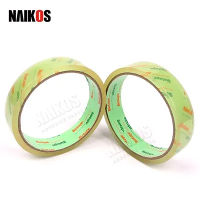
In industrial manufacturing, building decoration, and electronics, the demands for sealing, cushioning, and bonding materials are increasing. Among these solutions, polyethylene foam tape, with its unique properties, has become an indispensable polymer tape. Far superior to ordinary tapes, it is an engineering-grade bonding and sealing material.
Polyethylene foam tape is a roll-type tape composed of a polyethylene foam backing, a high-performance pressure-sensitive adhesive (such as acrylic adhesive) applied to one or both sides, and a release paper (or film) placed on top.
Key Uses for Polyethylene Foam Tape
There are many uses for polyethylene foam tape; however, the following are the main ones:
Building Materials and Construction Sector
Installation and Sealing of Doors and Windows: It eliminates the need for conventional screw fastening, allowing for a smooth installation, gap filling, waterproof sealing, energy conservation, and sound insulation.
Caulking and cushioning for curtain walls: It effectively reduces stress and seals gaps between curtain wall panels made of stone, glass, and metal.
Industry of Electronics and Home Appliances
Device stress Absorption and Sealing: Appliances such as air conditioners, refrigerators, and washing machines include adhesive bonding between the panel and housing that reduces noise, absorbs stress, and seals.
Screen-to-Frame Bonding: This bonding and cushioning technique is used to secure the screen and housing of tablets and smart home appliances.
car Manufacturing and Transportation Interior Bonding: This technique offers good adhesion and vibration absorption when used to join weather stripping, sound insulation blankets, and car interior panels.
Sealing and Sound Insulation: You can efficiently prevent rain, dust, and noise by filling in gaps in places like car doors and trunks.
Device stress Absorption and Sealing: Appliances such as air conditioners, refrigerators, and washing machines include adhesive bonding between the panel and housing that reduces noise, absorbs stress, and seals.
Screen-to-Frame Bonding: This bonding and cushioning technique is used to secure the screen and housing of tablets and smart home appliances.
Car Manufacturing and Transportation Interior Bonding: This technique offers good adhesion and vibration absorption when used to join weather stripping, sound insulation blankets, and car interior panels.
Sealing and Sound Insulation: You can efficiently prevent rain, dust, and noise by filling in gaps in places like car doors and trunks.
How Can Polyethylene Foam Tape Be Selected?
The success of the project depends on selecting the appropriate polyethylene foam tape. Take into account the following five elements:
Density and Thickness of Substrates
High Density: Ideal for joining heavy objects, it offers better support and adherence. Low density: Perfect for filling uneven surfaces and offering efficient cushioning, it has a high compression set and exceptional flexibility.
Thickness: Choose according to the necessary cushioning space and gap size.
The best overall performance is provided by acrylic adhesive, which is the recommended option for outdoor and long-term applications due to its exceptional weather resistance, temperature resistance (usually between -40°C and 90°C), and age resistance.
Rubber glue: Despite having a higher initial tack, it is not as resistant to weathering and aging over the long term as acrylic adhesive.
Materials for Bondable Surfaces: The adhesive qualities of various surfaces vary. Make sure the tape sticks well to the materials you want to use, like wood, metal, glass, and plastic. Use a specifically prepared adhesive for low-surface-energy materials (such as PE and PP).
Tolerance for the Environment: Ascertain the temperature, humidity, and UV exposure of the application environment. Choose an acrylic adhesive with superior weather resistance for outdoor applications.
Certifications and regulations: Verify that the tape satisfies environmental and safety regulations, such as UL certification, RoHS, and REACH, for sectors with particular needs (such as electronics and automobiles).