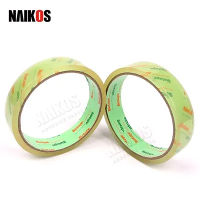
Driven by the dual forces of green supply chains and carbon neutrality goals, biodegradable tape is rapidly replacing traditional polyvinyl chloride (PVC) and biaxially oriented polypropylene (BOPP) tapes, becoming the preferred choice for the global logistics, e-commerce, and food packaging industries.
Biodegradable tape refers to adhesive products that can be completely decomposed by microorganisms into carbon dioxide, water, and minerals under specific environmental conditions (such as temperature, humidity, and microbial action).
Core Technological Advantages of Biodegradable Tape
Outstanding Carbon Footprint Reduction and Environmental Features
When traditional plastic tapes are burned, they take hundreds of years to break down and generate toxic fumes. On the other hand, high-quality biodegradable tapes usually break down entirely in 180 days under industrial composting conditions and meet international standards like EN 13432 or ASTM D6400.
High Tack and Strong Adhesive Performance
Many people worry about the performance of environmentally friendly tapes, but modern processes, through improvements to natural rubber adhesives, have made biodegradable tapes comparable to traditional BOPP tapes in terms of initial tack and shear strength, easily handling the sealing needs of heavy cardboard boxes weighing over 20kg.
Excellent Temperature Resistance and Tear Resistance
Tapes made with plant fibers as the base material have natural heat resistance. In sub-zero or high-temperature warehouse environments, the physical properties of the adhesive layer are more stable, and it is less prone to adhesive leakage or detachment.
How to Choose High-Quality Biodegradable Tape?
As a manufacturer, we advise consumers to consider the following three factors when selecting a supplier:
Certification System: Does the provider own composting certification credentials from reputable organizations like TÜV, BPI, or OK Compost? This is a passport to enter the European and American markets.
Base Material Source: Does the supplier use FSC (Forest Stewardship Council) certified base paper? This relates to the traceability of raw materials.
Degradation Time: It is necessary to clarify whether the product degrades under "industrial composting" or "home composting" conditions, as the degradation efficiency differs significantly between the two.
Helping Brands Move Towards a Circular Economy
Adopting biodegradable tape is not only a manifestation of corporate social responsibility but also a forward-looking strategy to address various countries' "plastic bans." As a dedicated player in the tape manufacturing industry, we are committed to providing global customers with packaging solutions that balance performance and environmental sustainability through technological innovation.