

Eliminating Edge-Lifting in Lens & Frame Assembly: High-Precision PET Tapes for Display Bonding
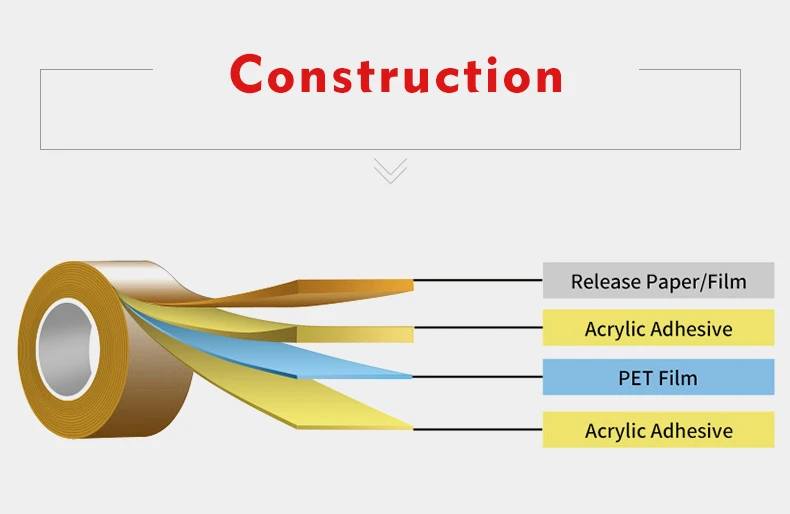
A double coated polyester tape constructed with a tough PET film core and high-tack acrylic adhesive provides immediate bonding and strong structural support across narrow-bezel electronic display modules. By maintaining dependable adhesion on both smooth glass cover plates and plastic housing materials, this material class prevents corner lifting, frame popping, and gap formation during daily device use.
Why Do Display Edges and Frames Lift?
Edge-lifting along display bezels, touch panels, and optical lenses usually stems from a combination of mechanical stress, surface properties, and environmental influences during assembly and daily operation:
Thermal Expansion Differences: Display assemblies join materials with drastically different thermal behaviors, such as cover glass, metal structural mid-frames, and plastic enclosures. When electronic devices heat up during operation or cool down in cold storage, these substrates expand and contract at unequal rates. This continuous movement generates severe shear forces along the tape interface, gradually weakening the bond line.
Narrow Bonding Surfaces: Modern consumer electronics prioritize slim bezels to maximize screen-to-body ratios. This design trend restricts the available tape bonding area to narrow margins, often down to 1.0 mm or less. Inferior adhesive carriers or non-woven backings lack the internal cohesive strength required to resist continuous cleavage forces within such tight spaces, leading to premature delamination.
Hard-to-Bond Plastics: Modern electronic housings and structural bezels frequently employ engineered plastics like polycarbonate, ABS, or low surface energy (LSE) polymers, often coated with oleophobic or anti-fingerprint treatments. These materials naturally resist adhesive wetting. Without proper initial tack and surface wet-out, the adhesive fails to form a complete molecular bond, causing the frame to pop up under physical flex or drop impacts.
Internal Spring-Back Tension: Flexible printed circuits (FPCs), rubber gaskets, and molded plastic frames carry inherent mechanical memory. When bent or compressed into tight device housings, they exert constant outward spring-back force against the bonding line. If the tape lacks adequate static shear resistance, this persistent tension slowly pulls the adhesive away from the substrate.
How PET Film Backing Solves Edge-Lifting Failure
Utilizing a dedicated PET adhesive tape provides the structural integrity, stress distribution, and dimensional control required for modern display assembly:
- Dimensional Stability: The solid, rigid PET carrier prevents the tape from stretching or twisting during high-speed automated lamination and rotary die-cutting. This guarantees precise dimensional repeatability and clean alignment along narrow frame perimeters.
- Stress Distribution Across the Bond Line: Unlike paper or tissue-backed tapes that tear easily under shear stress, the tough PET film core acts as an internal tension equalizer, spreading localized mechanical loads evenly across the entire surface area.
- High Holding Power & Creep Resistance: The cross-linked acrylic adhesive system delivers exceptional static shear resistance, ensuring that persistent spring-back forces from curved flex circuits or molded housings will not cause bond displacement or edge lifting over long-term usage.
- Clean Die-Cutting Performance: The firm film structure enables converters to stamp out complex, ultra-narrow die-cut gaskets with clean edges. This prevents adhesive oozing or edge bleed into active display zones, maintaining optical clarity and clean aesthetic lines.
Key Technical Specifications
| Item | Double Sided PET Film Tape |
| Color | Clear (Multi Colors Available) |
| Carrier | PET Film |
| Adhesive | Acrylic Adhesive |
| Total Thickness | 0.01~0.205 mm (0.39~8 mil) |
| Adhesion to Stainless Steel | ≥15 N/25mm (63.5 oz/inch) |
| Holding Power | >24 Hr |
| Temperature Resistance | 80~150°C (176~302°F) |
| Width | 2~1020/1240 mm (Customized Width Available) |
| Length | 50/100/500/1000 m (Customized Length Available) |
Practical Application Guidelines for Assembly Lines
To prevent edge-lifting and ensure maximum bond reliability across high-volume production lines, assembly technicians should implement the following standardized handling procedures:
- Thorough Surface Cleansing: Remove all foreign particles, oils, grease, and mold release agents from the bonding surfaces using an isopropyl alcohol (IPA) wipe prior to tape application. A clean substrate is essential for maximum surface contact.
- Apply Uniform Lamination Pressure: Press the tape firmly onto the substrate using a rubber roller or automated pressure tool. Because pressure-sensitive adhesives rely on physical force to flow into surface micro-roughness, adequate pressure significantly improves initial wet-out and adhesion.
- Allow Sufficient Dwell Time: Although the tape offers immediate initial tack for component placement, the acrylic adhesive bond continues to build over time. Allowing a 24 to 72 hour dwell period ensures maximum physical bond strength before subjecting the assembly to harsh environmental stress.

Reliable Factory Direct Solutions for Electronics Assembly
Naikos double sided PET tape series is manufactured under strict quality management and process control systems. By maintaining precise control over coating uniformity, release liner differential, and roll tension, Naikos ensures reliable lot-to-lot consistency for tier-1 electronics manufacturing. As a direct source factory, Naikos supplies master jumbo rolls, precision slit rolls, and custom die-cut parts tailored for seamless integration into high-volume OEM assembly lines.
Frequently Asked Questions (FAQ)
Q1: How does this double sided PET tape handle bonding onto display glass with Anti-Fingerprint (AF) or hydrophobic coatings?
Anti-fingerprint (AF) optical coatings lower surface energy, making standard adhesives prone to edge peeling. Our acrylic adhesive system utilizes targeted wet-out promoters that penetrate low surface energy layers, establishing strong interfacial adhesion on coated display glass without requiring additional surface primers.
Q2: Can this tape withstand automatic high-speed rotary die-cutting without adhesive oozing or liner separation?
Yes. The high tensile strength of the PET carrier combined with tight coating weight control prevents adhesive squeeze-out during high-speed stamping. The differential release liner system ensures smooth, predictable web tension during high-speed automated pick-and-place placement on EMS assembly lines.
Q3: Will the adhesive layer turn yellow or lose transparency over long-term exposure to outdoor UV and ambient light?
No. The cross-linked acrylic adhesive chemistry is inherently resistant to UV oxidation and thermal yellowing. It maintains optical clarity and stable light transmission across extended operating lifespans in automotive touchscreens, smart home displays, and outdoor electronic interfaces.