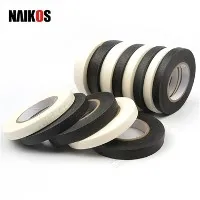
Thermal conductive tape, also known as thermal insulating tape or thermal adhesive tape, is a composite material that combines both thermal conductivity and adhesive properties. It is a highly efficient and reliable interface thermal management material and has become an indispensable solution in numerous fields, from consumer electronics to new energy vehicles.
Key Characteristics:
Thermal Conductivity: Thermal conductivity (unit: W/m·K) is the primary metric. Better intrinsic heat transfer capacity is indicated by a higher value.
Electrical Insulation: The majority of thermal conductive tapes have a high dielectric strength, which guarantees circuit safety and prevents short circuits.
Conformability and Compressibility: Outstanding durability against stress from heat cycling and gap-filling ability to adapt uneven surfaces.
Temperature Resistance & Reliability: Consistent functioning without pump-out, drying, or migration throughout a broad temperature range.
Thermal Conductive Tape Main Applications
LED lighting heat sinks, automotive ECU modules, battery pack gap filling, smartphone/tablet internal chip cooling. Mounting and thermally coupling PCBs to metal enclosures, power component cooling in home appliances, thermal management in telecom equipment. Between CPUs/GPUs and heat sinks, high-power chip modules where ultimate thermal performance is required. Server and data center chip interfaces, 5G base station components, electric vehicle power control units and battery management systems. Ultra-thin mobile phones, flexible displays, drone core circuit board heat spreading.
Choosing the Right Thermal Conductive Tape
As a manufacturer, we recommend this selection process:
Estimate the heat to be dissipated (in Watts) and the permitted component temperature rise to define the thermal load and target temperature.
Measure the Physical Gap: Accurately gauge the surface flatness and bond line thickness between the cooler and the heat source.
Evaluate Electrical and Environmental Requirements: Establish the working temperature range, the need for electrical insulation (dielectric strength), and any exposure to chemicals or vibration.
Determine Required Thermal Performance: Determine the required thermal conductivity or impedance range based on power, delta-T, and area. For testing or simulation, speaking with a qualified manufacturer is essential.
Determine the necessary bond strength, the necessity for reworkability, and the application method (human or automated) to balance adhesion and process requirements.
As a professional tape manufacturer, we offer a full portfolio of Thermal Conductive Tape solutions, from standard to high-performance grades, backed by thermal testing expertise and technical support. We know that choosing the correct thermal interface material is foundational to product reliability.
If you are seeking a reliable solution for your device's thermal challenges or looking to optimize an existing thermal design, contact us for a free technical consultation and sample evaluation.