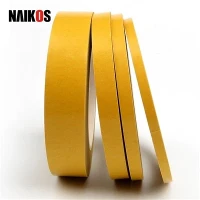
Acrylic foam tape is a double-sided pressure-sensitive adhesive tape consisting of an acrylic foam carrier coated with acrylic adhesive layers on both sides. The foam core provides flexibility, stress absorption, and gap filling capability for permanent industrial bonding.
In manufacturing applications, acrylic foam adhesive tape is used for bonding metal, plastic, glass, and painted surfaces. Its viscoelastic foam structure helps distribute stress caused by vibration, thermal expansion, and substrate movement, providing stable bonding performance without mechanical fasteners.
Structure And Bonding Mechanism Of Acrylic Foam Tape
Acrylic foam tape is composed of an acrylic foam core, acrylic adhesive layers, and a release liner. The adhesive layer creates surface contact and bonding force, while the foam carrier absorbs mechanical stress between different materials.
During assembly, bonding performance is affected by substrate surface energy, surface cleanliness, application pressure, and environmental conditions. The flexible foam structure allows the tape to maintain contact on slightly uneven surfaces and reduce stress concentration during long-term use.
Key Performance Characteristics
Adhesion And Surface Compatibility
Acrylic foam bonding tape is designed for applications requiring strong adhesion between different substrates. The acrylic adhesive system provides initial tack and long-term holding strength on materials such as coated metals, aluminum, glass, ABS, PC, and composite panels.
Bond performance is commonly evaluated through peel adhesion, static shear testing, and aging resistance testing. Proper surface preparation and correct adhesive grade selection help maintain consistent bonding results.
Temperature And Aging Resistance
Acrylic foam tape is suitable for applications exposed to temperature changes, outdoor environments, and long-term service conditions. The acrylic adhesive system maintains bonding performance under thermal cycling, UV exposure, and moisture conditions.
The typical temperature resistance range is -40~150°C, making it suitable for applications requiring stable adhesion under variable environmental conditions, including automotive components, industrial equipment, and outdoor mounting systems.
Industrial Applications
- Automotive manufacturing: exterior trim bonding, emblem mounting, and decorative component fixation under vibration conditions
- Electronics assembly: display frame bonding, battery component fixation, and housing assembly
- Building industry: glass panel mounting, metal profile bonding, and decorative material installation
- Appliance manufacturing: nameplate attachment, control panel assembly, and component fixation
- Composite processing: bonding of metal, plastic, and mixed-material structures
Conclusion
Acrylic foam tape provides a flexible bonding solution for industrial assembly where vibration resistance, gap filling, and long-term adhesion stability are required. Its acrylic foam carrier and pressure-sensitive adhesive system allow reliable bonding across different substrates and production environments.
For industrial bonding projects requiring consistent performance, acrylic foam tape can be selected according to substrate type, thickness requirements, and application conditions.