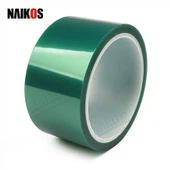
Precision washi paper masking tape utilizes long-fiber bark pulp backings coated with low-tack, cross-linked acrylic polymers to form razor-sharp paint boundaries without tearing delicate drywall or leaving ghosting marks on glass. The high tensile modulus and ultra-thin caliper (0.10 mm) of washi paper tape backings minimize paint bridge buildup along the edge, preventing boundary tearing upon removal. By balancing low 180° peel strength with high internal cohesive shear resistance, the adhesive interface withstands UV exposure and thermal baking from -20°C to 120°C while releasing cleanly from low surface energy substrates.
Interfacial Rheology and Adhesive Mass Control
Achieving clean separation on friable drywall plaster or float glass requires precise control over viscoelastic flow and adhesion kinetics:
- 180° Peel Strength Optimization: Standard rubber adhesives exert excessive peel force that strips sensitive latex paint primers. Formulating washi tape adhesive systems with controlled pressure-sensitive acrylic polymers maintains moderate peel adhesion, preventing mechanical stress from exceeding the internal cohesive strength of delicate coatings.
- Cohesive Strength vs. Adhesive Anchorage: Polymer cross-linking agents are balanced to ensure the internal cohesive strength of the acrylic mass exceeds its bond strength to glass or cured paint. This engineering boundary prevents cohesive failure, ghosting, or gummy residue transfer.
- Initial Tack and Wet-Out Limits: Low initial tack (rolling ball test >15 cm) limits immediate molecular wet-out, preventing the adhesive from flowing deep into microscopic wall pores where mechanical interlocking causes surface damage during peel removal.
Backing Properties and Paint Line Edge Definition
The physical structure of the carrier governs liquid paint resistance and boundary edge geometry during removal:
- Ultra-Thin Caliper: Unlike thick crepe paper carriers that leave elevated paint ridges, flatback Japanese paper carriers feature an ultra-thin profile. This prevents paint from pooling against the tape edge, eliminating boundary flaking when peeled.
- High Tensile Modulus and Low Elongation: Long-fiber paper construction provides high axial tensile strength along the longitudinal axis with minimal elongation at break (<8%). This stiffness prevents backing elongation and slivering during manual removal at 90° or 180° peel angles.
- Barrier Impregnation: The raw paper matrix is saturated with water-based synthetic resins, creating an impermeable barrier against solvent-based and water-based architectural paints, preventing capillary bleed-through beneath the bond line.
UV Aging and Substrate Compatibility Protocols
- UV Resistance Ratings: Exposure to solar radiation breaks down un-stabilized acrylic and rubber adhesives, cross-linking the mass into a brittle, permanent bond on exterior glass. Adding hindered amine light stabilizers (HALS) provides 30 to 120 days of outdoor UV resistance without adhesive hardening.
- Float Glass Application: Glass surfaces exhibit high surface energy (>250 dynes/cm) and variable surface alkalinity. Acrylic adhesive formulations resist chemical interactions with silanol groups on glass, preventing rainbow residue patterns post-removal.
- Environmental Temperature Limits: The acrylic matrix remains stable across operating temperatures ranging from -20°C to 120°C (-4°F to +248°F), resisting thermal degradation during automotive paint oven cycles or direct sunlight window exposure.
Precision slitting tolerances, controlled acrylic adhesive coat weight, and saturated long-fiber paper backings guarantee residue-free removal and sharp boundary separation on delicate surfaces. Applying Naikos washi tape ensures long-term UV stability, zero paint bleed-through, and consistent 180° peel removal across architectural and industrial masking applications.