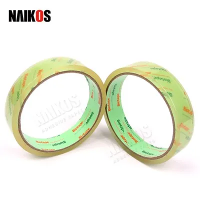
Double-coated closed-cell polyethylene foam tape is a pressure-sensitive structural joining medium engineered to distribute static shear loads and dynamic stress across rigid substrates without mechanical fasteners. Utilizing a conformable foam matrix combined with cross-linked solvent acrylic pressure-sensitive adhesive, this material compensates for coefficient of thermal expansion mismatches between glass, metals, and LSE plastics while establishing continuous environmental barrier seals.
Mechanical Load Distribution and Viscoelastic Stress Relaxation
Mechanical drilling introduces localized stress points in glass, mirrors, and anodized aluminum panels, increasing the risk of structural micro-cracks and stress corrosion failure. Double coated polyethylene foam tape replaces point loads with continuous surface area contact, utilizing the viscoelastic properties of the foam core to dissipate dynamic shear forces. Under static loads, the closed-cell foam matrix undergoes controlled deformation, expanding the contact surface area and establishing a continuous 180° peel strength exceeding 15 N/25mm (53 oz/inch) on stainless steel.
The internal cohesive strength of the cross-linked acrylic adhesive system prevents foam splitting under constant gravitational shear. Holding power tests verify static shear resistance under standard lab loads, maintaining structural integrity across vertical architectural mirror installations and heavy industrial nameplate bonding.
Surface Conformability and Thermal Expansion Compensation
Architectural walls, powder-coated metals, and brushed aluminum nameplates possess microscopic surface irregularities that prevent full contact with rigid mounting tapes. The soft, conformable PE foam carrier, available in total thickness configurations from 0.2 mm to 3.0 mm (8 to 120 mil), flows into surface valleys under applied pressure. This initial wet-out behavior eliminates microscopic air voids, maximizing ultimate bonding performance across textured substrates.
In outdoor and high-temperature environments, metals and glass expand at different rates. Rigid joints shear or warp under these conditions. The flexible foam matrix accommodates differential thermal expansion within an operational temperature range from -20°C to +120°C (-68°F to +248°F). The closed-cell structure also prevents water absorption, chemical ingress, and UV-induced oxidation, ensuring long-term adhesion retention without yellowing or degradation.
Converting Efficiency for Automated Assembly and Precision Die-Cutting
For high-volume manufacturing environments, double sided polyethylene tape must meet strict dimensional tolerances during high-speed rotary die-cutting and slitting. The dimensional stability of the cross-linked foam backing prevents web stretch or edge compression during automatic module assembly or manual placement.
Supplied with high-release polyethylene film or paper liners, the tape strips cleanly without adhesive pickup or edge stringing. Precision lathe slitting capabilities allow log conversion into custom roll widths to support exact engineering specifications for automotive body trim fixtures, electronic display frames, and interior signage mounting.
Deploying double sided foam mounting tape automotive and industrial grades eliminates drilling cycles, rust propagation, and fastener shadow lines on finished assemblies.
For custom converting and structural mounting requirements, technical data sheets and samples for double sided PE foam tape are available directly from the engineering team.